


 ChatGPT
 Perplexity
 Copilot
Key Highlights
- Covers the best night creams of 2026, focused on hydration, anti-aging, and overnight skin repair.
- Explains how night creams work with the skin’s natural renewal process during sleep.
- Highlights key skincare ingredients that support moisture balance, firmness, and barrier repair.
- Compares top-rated night creams based on skin type, texture benefits, and comfort.
- Helps readers select the ideal night cream based on their skin concerns, daily routine, and long-term objectives.
What Are Night Creams
Night creams are skincare products designed specifically for use during the evening as part of a nighttime routine. They are typically richer in texture than daytime moisturizers and are created to address specific skin concerns while the skin is at rest.
These creams are formulated to remain on the skin for extended hours, supporting the skin’s natural renewal cycle overnight. Night creams often focus on deep hydration and replenishment, making them suitable for targeting different skin concerns without the need for sun protection or lightweight finishes used in daytime products.
Why Night Creams Are Important for Your Skin
Night creams play an important role in maintaining overall skin health because the skin enters its natural repair phase during sleep. At night, the skin is more receptive to nourishment, allowing richer formulas to absorb better and work in sync with the body’s renewal process. This makes nighttime care essential for maintaining balance and supporting long-term skin maintenance.
Many night creams are formulated with hydrating components like hyaluronic acid, which helps the skin retain moisture while you rest. Consistent overnight hydration supports the skin barrier, prevents dryness, and keeps the skin feeling comfortable and refreshed by morning. Regular use of a night cream helps ensure the skin remains well supported during its most active recovery hours.
Key Ingredients to Look for in Night Creams
Night creams rely on carefully selected Skincare Ingredients that support the skin during its natural overnight renewal phase. These formulas often focus on hydration balance repair, support, and barrier care without overwhelming the skin.
Understanding the role of each ingredient helps align a night cream with specific skin concern such as dryness, dullness, or uneven texture while maintaining a gentle nightly routine.
Retinoids (Retinol, Retinal)
Known for stimulating collagen, improving wrinkles, and refining texture. Best used at night and paired with SPF in the daytime. According to a Clinical Interventions in Aging review, retinoids remain one of the most clinically proven ingredients for improving wrinkles, pigmentation, and overall photoaging.
Hyaluronic Acid
Helps boost hydration and visibly plump the skin. Multi-weight HA delivers more effective results. A study in the Journal of Clinical and Aesthetic Dermatology looked at a new type of hyaluronic acid in humans and found that it significantly reduced wrinkle depth, improved hydration, firmness, and elasticity.
Peptides
A study in the International Journal of Molecular Science found that peptides had significant anti-wrinkle benefits. Support firmness and elasticity by communicating with the skin’s natural repair pathways.
Niacinamide
Strengthens the skin barrier, balances tone, and reduces redness. A review in Skin Pharmacology and Physiology looked at niacinamide in terms of its mechanism of action and topical use in dermatology.
Ceramides & Squalane
Ceramides and squalane play a key role in strengthening the skin’s moisture barrier and maintaining long-lasting hydration. They help reduce water loss overnight while supporting smoother, softer skin texture.
These ingredients work well for dry and compromised skin by reinforcing barrier integrity and improving overall comfort without feeling heavy or greasy.
Bakuchiol
A gentler, plant-derived alternative to retinol suitable for sensitive skin.
Dermatologist Natalie M. Curcio explains that human growth factors and peptides are among the most effective ingredients for visible anti-aging. According to her, human growth factors, naturally produced by fibroblasts, act as signaling molecules that stimulate cell growth, division, and healing. Peptides, which are short synthetic protein chains, help trigger the production of collagen, elastin, and hyaluronic acid within the dermis.
Our Top Pick

Restore Skin Overnight with Deep Nourishment
WOWMD Tallow Cream Peaceful Night delivers rich yet skin-friendly moisture that helps comfort dry, tired skin while you sleep. Its lightweight texture absorbs smoothly to support softness and a healthy-looking glow by morning.
Formulated with grass-fed beef tallow and nourishing oils, this night cream supports the skin barrier and long-lasting hydration, making it an ideal choice for nightly repair and comfort.
Buy NowOur Top Pick
Best Night Creams in 2026 – Our Top Picks
- Best for Barrier Repair & Very Dry Skin: WOWMD Tallow Cream Peaceful Night
- Best for Collagen Support & Plumping: WOWMD Sleep Plus Collagen Cream
- Best for Retinol Starters: Beverly Hills MD Activated Retinol Overnight Treatment
- Best for Deep Lines & Skin Renewal: Beverly Hills MD Wrinkle Repair Night Treatment
- Best Peptide-Based Firming Cream: DRMTLGY Peptide Night Cream
- Best for Intense Overnight Hydration and Barrier Support: Kiehls Ultra Facial Overnight Hydrating Face Mask
- Best for Sensitive Skin Repair and Redness Relief: Tatcha Indigo Overnight Repair
- Best for Anti-Aging Recovery and Skin Renewal: Estee Lauder Advanced Night Repair Serum
- Best for Ultra Sensitive and Allergy Prone Skin: La Roche Posay Toleriane Dermallergo Night Cream
- Best for Firming Moisture and Smoother Looking Skin: IT Cosmetics Confidence in Your Beauty Sleep Night Cream
WOWMD Tallow Cream Peaceful Night is a nourishing night cream designed to support deep overnight hydration and restorative skin repair. Formulated with rich but non-greasy ingredients, it helps maintain moisture balance while you sleep. This cream also pairs well with niacinamide serums in your routine to enhance skin nourishment and overall texture improvement.
Pros
- Rich texture that feels comforting without heaviness.
- Absorbs smoothly and layers well with other skincare.
- Supports overnight moisture retention.
- Suitable for dry and sensitive skin types.
- Free from harsh irritants.
Cons
- May feel too rich for very oily skin types.
- Slightly higher price point compared to basic night creams.
Benefits
- Provides deep overnight hydration for soft, supple skin.
- Helps improve skin texture and smoothness with regular use.
- Works gently to calm and condition skin while you sleep.
- Supports barrier restoration and long-lasting comfort.
Ingredients
Grass-Fed Beef Tallow | Jojoba Oil | Olive Oil | Lavender Essential Oil
Key Facts
Container Type: Jar | Skin Type: All skin types | Size: 2 oz | Form: Cream | Tested: 3rd-party tested
Why We Chose It
WOWMD Tallow Cream Peaceful Night stood out for its focus on overnight nourishment and skin comfort. The balanced ingredient profile and night-friendly texture make it a strong option for those looking to support skin recovery while maintaining a simple and effective nighttime skincare routine.
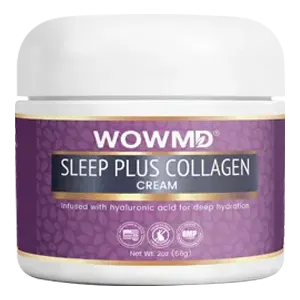
WOWMD Sleep Plus Collagen Cream is designed to support overnight skin renewal while delivering deep hydration. The formula focuses on improving skin comfort and appearance as you rest, helping the skin feel refreshed by morning.
Pros
- Lightweight texture that absorbs quickly.
- Suitable for nightly skincare routines.
- Non-greasy finish on the skin.
- Works well under different climate conditions.
- Gentle formula for regular use.
Cons
- Results may vary depending on skin type.
- Requires consistent use for visible improvement.
Benefits
- Supports the skin’s natural renewal process.
- Promotes smoother and more supple-looking skin.
- Helps reduce the appearance of dryness by morning.
- Helps support skin hydration overnight.
Ingredients
Melatonin | Hyaluronic Acid | Avocado Oil | Collagen
Key Facts
Container Type: Jar | Skin Type: All skin types | Size: 2 oz | Form: Cream | Tested: Dermatologist and 3rd party Tested
Why We Chose It
We choose WOWMD Sleep Plus Collagen Cream because it offers a gentle yet effective overnight skincare solution that many users enjoy for its lightweight feel and nourishing results. Its thoughtful blend of skin-friendly ingredients and ease of daily use make it a popular and trusted choice for nighttime care.
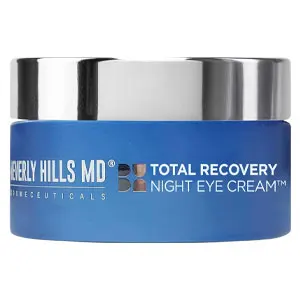
Beverly Hills MD Total Recovery Night Eye Cream is an advanced overnight eye treatment formulated to help reduce visible signs of aging around the delicate eye area. It targets dark circles, crow’s feet, under‑eye bags, and droopy lids while deeply hydrating and nourishing skin as you sleep.
Pros
- Targets multiple signs of aging around the eyes.
- Deeply hydrates and nourishes delicate under‑eye skin.
- Formulated without parabens and phthalates.
- Suitable for all skin types, including sensitive.
Cons
- May take consistent nightly use to see visible changes.
- The price may be higher compared to some basic eye creams.
Benefits
- Helps create a more lifted and youthful look by improving skin elasticity.
- Smooths fine lines and crow’s feet for firmer skin.
- Promotes deep hydration for plumper, more refreshed eye area.
- Visibly reduces the appearance of dark circles and under‑eye bags.
Ingredients
Arjuna Plant Extract | SYN®-EYE | Glycerin | Panthenol
Key Facts
Container Type: Jar | Skin Type: All Skin Type | Size: 1 fl oz | 30 ml | Form: Cream | Tested: Not Disclosed
Why We Chose It
We chose Beverly Hills MD Total Recovery Night Eye Cream because it combines advanced peptide technology with deep hydration and botanical extracts that help visibly improve the look of aging signs around the eyes. Its gentle yet effective formula supports nightly skin renewal while addressing multiple concerns like dark circles, sagging lids, and fine lines, making it a preferred option for many looking to refresh the eye area.
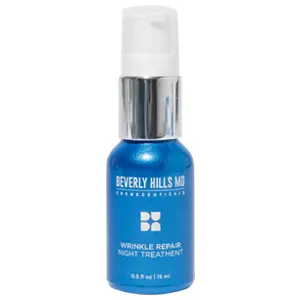
Beverly Hills MD Wrinkle Repair Night Treatment is an advanced anti‑aging serum designed to help reduce the look of fine lines and deep wrinkles while you sleep, leaving skin smoother, softer, and more youthful‑looking. It uses a blend of peptides, growth factors, and hydrating ingredients to support skin renewal and visible aging concerns.
Pros
- Lightweight serum that absorbs quickly.
- Helps improve skin firmness and texture overnight.
- Deep hydration for softer, smoother skin.
- Uses advanced compounds rather than harsh ingredients.
- Targets both fine lines and deeper wrinkles.
Cons
- Results may take consistent nightly use.
- May feel premium-priced for some users.
Benefits
- Supports visibly reduced fine lines and wrinkles.
- Promotes plumper, more youthful‑looking skin.
- Deeply hydrates to improve skin elasticity.
- Enhances overall skin smoothness and softness.
Key Facts
Container Type: Bottle | Skin Type: All skin types | Size: 0.5 fl oz | 15 mL | Form: Serum | Tested: —
Why We Chose It
We chose Beverly Hills MD Wrinkle Repair Night Treatment because it combines scientifically formulated peptides, growth‑boosting factors, and hydration‑focused compounds that work with the skin’s natural repair cycle during sleep. Users appreciate its gentle yet effective approach to smoothing wrinkles and improving skin texture, making it a reliable option for those seeking visible age‑defying results without harsh actives.
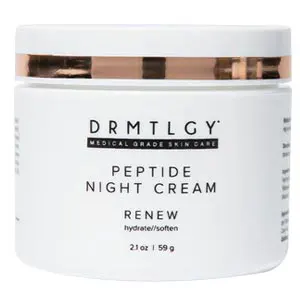
DRMTLGY Peptide Night Cream is designed to support skin repair and hydration overnight. The formula focuses on improving skin texture and moisture while helping the skin feel smoother and refreshed by morning.
Pros
- Rich yet fast-absorbing texture.
- Suitable for nightly skincare routines.
- Helps maintain skin moisture overnight.
- Works well for dry and normal skin.
- Gentle for regular use.
Cons
- May feel heavy for very oily skin.
- Results improve with consistent use.
Benefits
- Helps support skin firmness and elasticity.
- Promotes smoother-looking skin by morning.
- Provides long-lasting overnight hydration.
- Supports the skin’s natural renewal process.
Ingredients
Peptides | Hyaluronic acid | Ceramides | Nourishing emollients
Key Facts
Container Type: Jar | Skin Type: All skin type | Size: 2.1 oz | Form: Cream | Tested: Not Disclosed
Why We Chose It
We chose DRMTLGY Peptide Night Cream for its focus on overnight hydration and skin barrier support. Users appreciate its comforting feel and simple ingredient profile that fits easily into a consistent nighttime skincare routine.

Kiehl’s Ultra Facial Overnight Hydrating Face Mask is a deeply hydrating overnight treatment that helps strengthen and replenish the skin’s moisture barrier while you sleep, reducing dryness and flaky patches. It uses a balm‑to‑oil texture rich in squalane and glacial glycoprotein to lock in hydration and support a smoother complexion by morning.
Pros
- Deeply hydrates and locks in moisture through the night.
- Helps support and strengthen the skin’s moisture barrier.
Cons
- Can feel thick or sticky on application.
- Some users report a strong or odd scent after opening.
- Texture may be hard to spread evenly at first.
- Results vary widely among users, not dramatic for all.
- Hydration effects may fade quickly if not used regularly.
Benefits
- Supports skin comfort on colder or dry nights.
- Improves barrier resilience against overnight moisture loss.
- Helps soothe dryness and reduce flaky patches by morning.
Ingredients
Squalane | Glacial Glycoprotein
Key Facts
Container Type: Jar | Skin Type: Normal | Size: 3.4 oz – 100g | Form: Cream | Tested: Not Disclosed
Why We Chose It
We chose Kiehl’s Ultra Facial Overnight Hydrating Face Mask for its focus on intense overnight moisture and barrier support. The blend of squalane and glacial glycoproteins works to replenish and lock in hydration while you sleep, making it a strong option for dry or distressed skin that needs deeper nourishment beyond a traditional cream.

Tatcha Indigo Overnight Repair is a rich nighttime treatment created to calm sensitive skin and support deep moisture recovery while you sleep. It helps strengthen the skin barrier and improve overall comfort by morning.
Pros
- Deeply nourishing texture for overnight use.
- Helps calm visible skin discomfort.
Cons
- Texture may feel heavy for oily skin.
- Premium pricing compared to basic moisturizers.
- Best suited for nighttime use only.
- Results depend on consistent use.
Benefits
- Supports skin barrier repair during sleep.
- Helps reduce the look of redness and dryness.
- Improves skin softness and smoothness.
Ingredients
Indigo plant extract | Biomimetic Ceramide Blend | Mondo Grass Root
Key Facts
Container Type: Jar | Skin Type: Sensitive | Size: 50 ml | 1.7 oz | Form: Cream & Serum | Tested: Not Disclosed
Why We Chose It
We chose Tatcha Indigo Overnight Repair because it focuses on skin comfort and calm while supporting intense overnight hydration. Its gentle and soothing formula makes it a preferred option for those with sensitivity or dryness seeking restorative nighttime care.

Estee Lauder Advanced Night Repair Serum is a deep-penetrating night serum designed to support the skin’s natural repair process while you sleep. It helps improve hydration, smooth visible fine lines, and create a more radiant and even-toned complexion with regular use.
Pros
- Helps boost skin hydration for a softer feel.
- Absorbs quickly without greasiness.
Cons
- May take consistent use before changes are noticeable.
- Might feel rich for very oily skin types.
- Can be on the higher price side.
- Some users notice mild initial sensitivity.
- Not ideal for those seeking instant wrinkle fixes.
Benefits
- Visibly smoother, more refreshed skin over time.
- Helps reduce the look of fine lines with regular use.
- Supports overnight skin renewal for a healthier glow.
- Improves skin tone and evenness with a hydration boost.
Ingredients
Hyaluronic acid | Tripeptide-32 | Antioxidant complex
Key Facts
Container Type: Bottle | Skin Type: All, Sensitive | Size: 50 ml | 1.7 oz | Form: Serum | Tested: Not Disclosed
Why We Chose It
We choose Estée Lauder Advanced Night Repair Serum because it’s a widely trusted anti-aging skincare staple known for strengthening skin’s natural repair processes and improving texture, radiance, and hydration, making it ideal for those seeking visible rejuvenation and smoother, more youthful-looking skin.
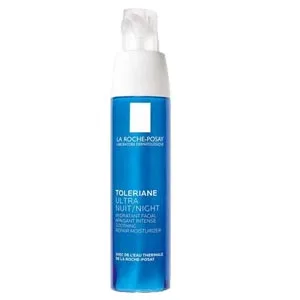
La Roche-Posay Toleriane Dermallergo Night Cream is a gentle nightly moisturizer created for sensitive and ultra-sensitive skin. It works to deeply hydrate, soothe redness, and strengthen the skin’s natural barrier while you sleep, helping skin feel calm and comfortable by morning.
Pros
- Intensely hydrates without heaviness.
- Fragrance-free and hypoallergenic formula.
Cons
- May feel light for very dry skin.
- Results appear with regular use.
- No scent for those who prefer fragrant creams.
- Best results with consistent nightly application.
Benefits
- Provides long-lasting hydration and comfort.
- Helps reduce the look of redness and tightness.
Ingredients
Niacinamide | Neurosensine | La Roche-Posay Thermal Spring Water | Shea Butter | Squalane
Key Facts
Container Type: Bottle | Skin Type: All Skin Types | Size: 40 mL | Form: Cream | Tested: Dermatologist Tested
Why We Chose It
We chose La Roche-Posay Toleriane Dermallergo Night Cream because its soothing, dermatologist-formulated blend is ideal for sensitive skin that needs overnight hydration and calm. The lightweight yet effective formula combines key soothing and hydrating ingredients to help the skin barrier recover and feel comfortable each morning, making it a reliable nightly care choice.

IT Cosmetics Confidence in Your Beauty Sleep Night Cream is a rich, restorative night cream that works while you sleep to improve hydration, strengthen the skin’s moisture barrier, and support visible signs of aging like fine lines and loss of firmness. It uses Rest & Restore Technology to help skin feel smoother and more refreshed by morning.
Pros
- Deeply hydrates skin for a softer feel overnight.
- Helps improve the appearance of fine lines and dullness.
Cons
- Rich texture may feel heavy for very oily skin.
- Results are gradual with regular use.
- Contains fragrance, which may not suit all users.
- Higher price point compared with basic night creams.
- Best suited as the final step in a skincare routine.
Benefits
- Improves the look of tired-looking skin with regular use.
- Enhances overall skin texture and plumpness.
Ingredients
Ceramides | Hyaluronic acid | Adenosine | Botanical extracts
Key Facts
Container Type: Jar | Skin Type: All skin types | Size: 2 Fl Oz | Form: Cream | Tested: Not Disclosed
Why We Chose It
We chose this night cream because it combines powerful hydration and barrier-supporting ingredients with Rest & Restore Technology, making it ideal for helping skin feel smoother and more resilient by morning. Many users appreciate its ability to improve visible signs of aging over time, while its rich yet comfortable texture makes it a reliable last step in a nighttime skincare routine.
How Night Creams Work Overnight
Night creams work in sync with the skin’s natural repair cycle that becomes more active during sleep. While you rest, the skin shifts focus from protection to renewal, allowing nourishing formulas to penetrate more effectively and support cellular turnover.
These formulas are designed with richer textures and concentrated skincare ingredients that stay on the skin longer overnight. This extended contact time helps replenish moisture levels, support skin structure, and address specific skin concern areas without interference from daily environmental stressors.
How to Choose The Right Night Cream for Your Skin Type
Understand your primary skin concern
Start by identifying whether your main issue is dryness, aging, sensitivity, acne, or uneven tone. This helps narrow down night creams formulated for specific skin concerns rather than generic hydration.
Match the texture to your skin type
Light gel-based creams work better for oily or combination skin, while rich balms and creams suit dry or mature skin. Using the wrong texture can lead to clogged pores or insufficient moisture.
Check for targeted skincare ingredients
Look for ingredients that align with your needs, such as hyaluronic acid for hydration, peptides for firmness, or ceramides for barrier support. Ingredient focus matters more at night when skin is in repair mode.
Consider sensitivity and tolerance levels
If your skin reacts easily, choose fragrance-free and dermatologist-tested formulas. Simple ingredient lists often perform better for sensitive or reactive skin types.
Ensure compatibility with your routine
Your night cream should layer well over cleanser, toner, and serum without pilling or irritation. Consistency across products improves overnight skin renewal.
Adjust based on climate and season
Skin often needs heavier nourishment in colder months and lighter hydration in warmer seasons. Rotating night creams can help maintain balance year-round.
FAQs
Q: Can night creams be used every night?
A: Yes, unless the formula contains strong actives like retinol. Introduce slowly if you experience irritation.
Q: Do night creams work for oily or acne-prone skin?
A: Yes, choose lightweight, non-comedogenic gels with niacinamide or HA.
Q: How soon do night creams show results?
A: Hydration benefits appear overnight, while improvements in texture and fine lines may take 4–12 weeks, depending on ingredients.
Q: When should I start using a night cream?
A: You can start in your late 20s–30s for preventive benefits; for active anti-aging, begin when you notice texture changes or fine lines.
Q: Do men need a different night cream?
A: No, choose based on skin type and concern, not gender.
Final Verdict
Choosing the right night cream comes down to understanding your skin type, ingredient preferences, and long-term skincare goals. While results can vary from person to person, consistent use of a well-formulated night cream can support overnight skin recovery and overall balance. Focusing on ingredient quality and suitability matters more than trends or claims, especially when building a routine meant to deliver steady improvement over time.
DermSpotlight product reviews are designed to guide readers through this process with clarity and transparency. By combining expert analysis with practical comparisons, DermSpotlight helps simplify skincare decisions and highlights options that align with different skin needs. When paired with our Best Skincare Tips, these insights can help you make smarter choices and maintain a routine that supports healthier-looking skin night after night.



 This article changed my life!
 This article was informative.
 I have a medical question.

 This article contains incorrect information.
 This article doesn’t have the information I’m looking for.